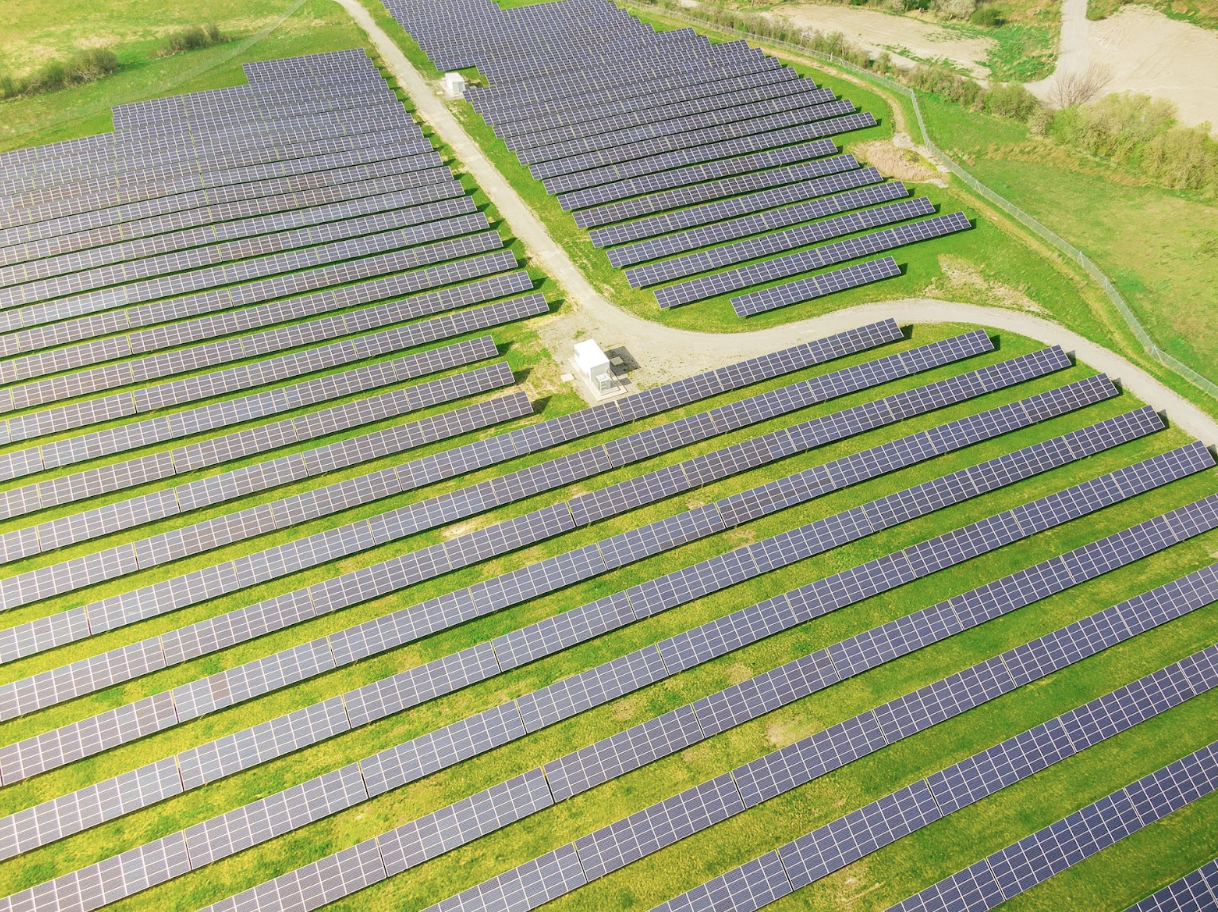

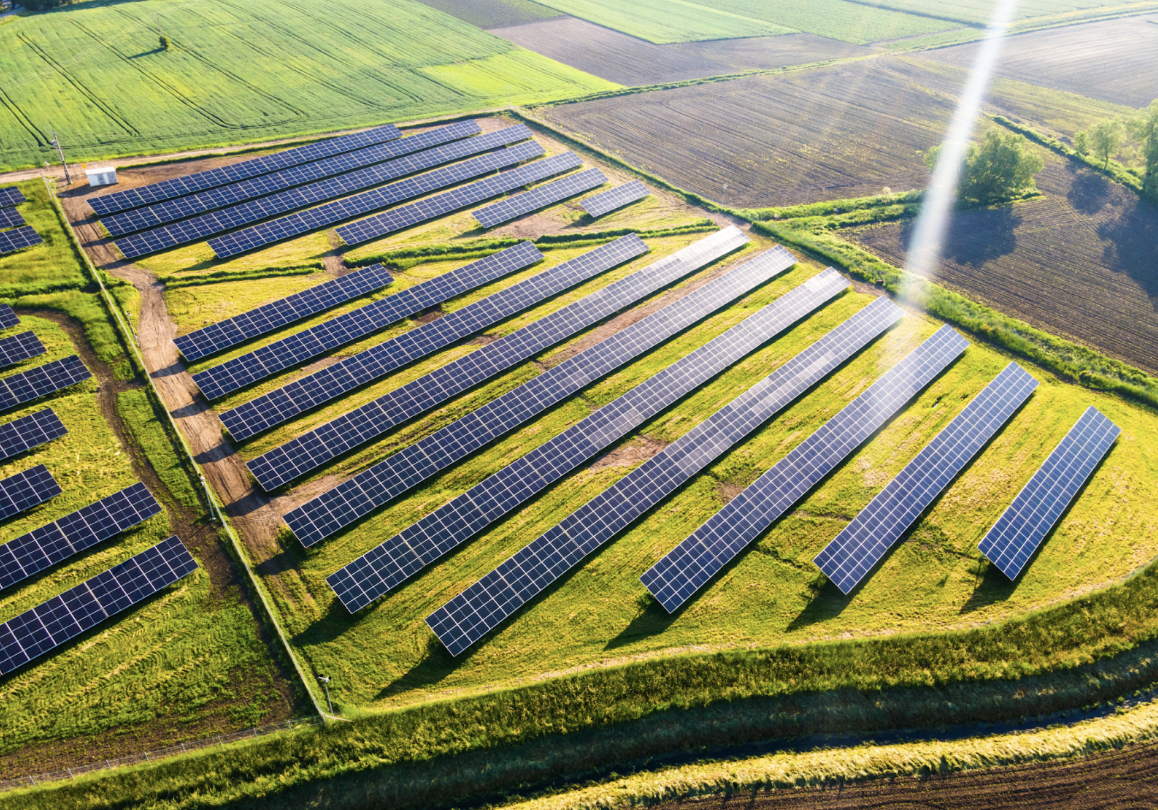
When considering renewable energy, solar farming stands as an intelligent blend of new and existing technology, offering a transformative approach to generating clean and abundant power. This innovative concept seamlessly integrates solar energy production with traditional agricultural practices, creating a unique synergy that benefits both the environment and the economy.
Solar farming, also known as agrophotovoltaics (APV), entails the utilization of large-scale commercial solar panels to harness the sun’s energy while simultaneously accommodating agricultural activities. This approach not only produces clean electricity but also enhances agricultural productivity by optimizing land usage and providing shade for crops, reducing water evaporation and promoting better crop growth.
The solar farming industry encompasses two primary models: utility-scale and community-based systems. Utility-scale solar farms, often spanning hundreds of acres, cater to the wholesale energy market, supplying commercial power to large electricity consumers. Community-based solar farms, on the other hand, serve smaller communities or neighborhoods, offering individuals and businesses a direct connection to solar energy.
The economic viability of solar farming is undeniable. The Impact Investor estimates that solar farming can generate an annual profit of approximately $7,828.45 per acre. With an average solar farm requiring 6-8 acres, the potential annual revenue for a single farm can reach $43,500.
Agrivoltaics, a subcategory of solar farming, highlights the interconnectedness of agriculture and solar energy. By strategically positioning solar panels above crops, agrivoltaics maximizes land utilization while minimizing environmental impact.
The shade provided by the panels reduces evaporation, conserves water resources, and protects crops from extreme temperatures, leading to improved crop yields and reduced irrigation costs.
Texas, with its abundance of sunshine and favorable regulatory environment, is poised to become a frontrunner in the solar farming industry. The state’s commitment to renewable energy, coupled with its expanding population and growing demand for electricity, creates a fertile ground for solar farming to flourish.
Local solar installers, operating the Katy solar market, play a pivotal role in facilitating the transition to solar farming. These companies provide expertise, guidance, and comprehensive installation services, enabling communities to tap into the transformative power of solar energy.
Solar farming stands as a beacon of hope, promising a future powered by clean, abundant, and profitable energy. As technology advances and the industry matures, solar farming is poised to revolutionize the agricultural landscape, generating sustainable profits while enhancing agricultural productivity and environmental stewardship.
With its multifaceted benefits, solar farming is undoubtedly a game-changer, paving the way for a more sustainable and prosperous future.